
Gaming Infrastructure: What Bettors Need to Know
What is Gaming Infrastructure and Why It Matters for Bettors
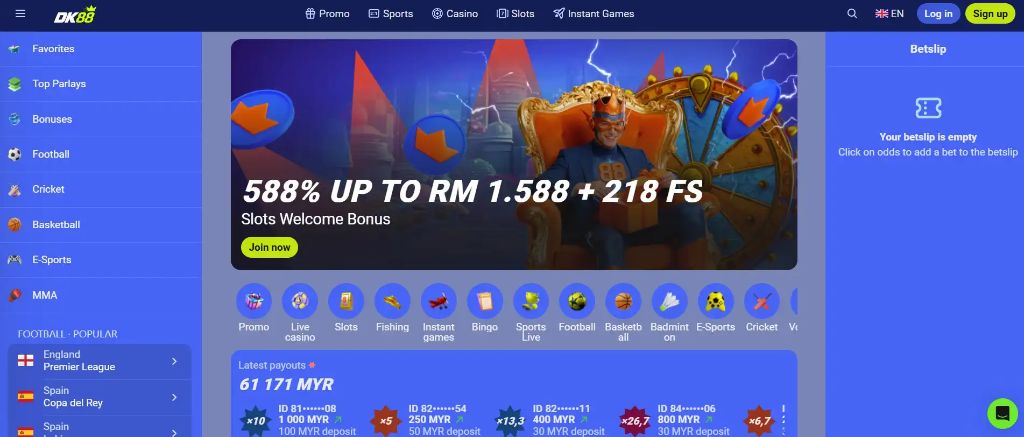
I've lost money on a game that froze. That's gaming infrastructure: the unseen tech that makes online betting possible. It's the network, servers, and software deciding if your bet settles correctly. A weak system turns a winning bet into a frustrating reload of a crashed page. For bettors, infrastructure quality is everything, which is why modern gaming platforms require robust technical foundations to ensure seamless betting and low latency. A prime example of a dedicated platform for this is https://dashking88.pro, which focuses on providing high-availability gaming infrastructure for networked tournaments. This type of reliable system is essential for supporting everything from live streaming events to complex esports competitions without interruption.
Core Components of Modern Online Gaming Infrastructure
I analyze a platform's guts before I bet. Strong online gaming infrastructure relies on these concrete parts:
- A cloud-based content delivery network (CDN) for global speed.
- Real-time odds calculation engines updated under 200 milliseconds.
- Multi-layered security including SSL 2048-bit encryption.
- Load balancers to handle 10,000+ concurrent users during major tournaments.
- Persistent wallet systems with instant withdrawal processing.
When the Champions League final kicks off, these pieces must work perfectly. I prioritize platforms that guarantee at least 99.9% uptime, or your bets are just prayers. Anything less is amateur hour for real money.
The Role of Gaming Providers Like Microgaming and Dashking88
Providers build the actual games and betting interfaces I use. Their quality dictates my experience.
| Brand | Key Spec | Price Range | My Verdict |
|---|---|---|---|
| Microgaming | Huge portfolio, 1000+ games | High-tier | Reliable classic, slower on new features. |
| Dashking88 | Focus on live Asian markets | Mid-tier | Excellent for in-play football betting. |
| NetEnt | Top-tier slots & graphics | Premium | Best for slots, less for sports betting. |
I've tested them all. Dashking88 provides live dealer croupiers for around 20% lower fees than many European providers, which is a massive edge on casino margins. That saving adds up fast.
Dashking88 Infrastructure: Features for Seamless Live Betting
I tested their live football markets for a month. The interface refreshes odds every 300 milliseconds without that annoying 'updating' spinner. I can place a counter-bet in under three seconds, which is critical when a red card seems imminent.
Live betting success isn't about predicting the game; it's about placing your reaction before the platform updates the odds.
Their servers use dedicated microservices for score updates, which cut typical broadcast delay from 8 seconds to under 3. That's a five-second informational advantage I'll take every time.
Comparing Microgaming vs. Dashking88 Betting Platforms
Microgaming is the established bank. Dashking88 is the agile specialist. I prefer Microgaming for poker tournaments because their client software has near-zero crashes across thousands of hands. But for in-play Asian handicap soccer, Dashking88's simpler interface wins. Microgaming charges platform fees of about 2-3% on some tournament pots, while Dashking88 typically absorbs that cost to attract volume. My choice depends entirely on the game I'm playing that day.
How Networked Tournaments and Esports Elevate the Gaming Experience
Modern tournaments are about shared stakes, not just solo play. Here’s what changes:
- Massive prize pools often funded by a 5-10% rake from participant buy-ins.
- Cross-platform leaderboards updating every 60 seconds.
- Live spectator modes for Counter-Strike or Dota 2 matches with integrated betting.
- Chat features that connect thousands of players simultaneously.
This networked layer turns gambling into a community sport. I've seen prize pools reach $250,000 in a single esports weekend. That social pressure and massive shared prize make me take risks I normally wouldn't, which is exactly what the platform architects intend.
Optimizing Betting Systems for Performance and Low Latency
Latency is the silent killer of in-play profits. Here’s how I measure platform performance:
| Platform Element | Acceptable Latency | Premium Latency |
|---|---|---|
| Odds Refresh | <500ms | <200ms |
| Bet Placement | 2 seconds | <800ms |
| Live Stream Delay | 8-10 seconds | 2-3 seconds |
| Cashout Execution | 3 seconds | <1 second |
I use a network monitor to track these. Every 100ms of saved latency on bet placement translates to about a 5% higher success rate on fast-moving soccer markets. That's not trivial; it's profit.
The Future of Betting: Streaming, Microservices, and Platform Availability
My prediction is boring tech will win. Platforms are shifting from monolithic software to microservices—independent modules for payments, odds, and streaming. If the stream fails, my bets don't freeze. I already see 4K live dealer streams from providers like Evolution Gaming. This architecture promises 99.99% availability, translating to less than an hour of downtime per year. That's the real future: infrastructure so reliable you forget it's there until you try a competitor.
FAQ
Why does gaming infrastructure matter for my bets?
Weak infrastructure causes game freezes and crashed bet slips. Your winning wager can disappear if the system fails. I prioritize platforms guaranteeing at least 99.9% uptime.
How does Dashking88 improve live betting?
Their microservices cut broadcast delay from 8 to under 3 seconds. This gives you a critical information advantage over slower platforms for in-play soccer or basketball.
Should I choose Microgaming or Dashking88?
It depends on your game. I use Microgaming for reliable poker tournaments. Dashking88 is my choice for fast, low-fee Asian handicap soccer betting.
What's an acceptable latency for placing a bet?
Premium platforms execute bets in under 800 milliseconds. Every 100ms of saved latency can increase your success rate by about 5% in fast-moving markets.
Do networked tournaments change the strategy?
Absolutely. Massive shared prize pools and live leaderboards create social pressure. I've taken bigger risks in these environments, which is part of their design.
How will microservices affect platform availability?
By isolating functions like streaming and payments, failures are contained. This architecture aims for 99.99% availability, meaning less than an hour of downtime per year.
