
Exploring the psychology behind high-stakes gambling in casinos
The Thrill of Risk
High-stakes gambling in casinos generates a unique blend of excitement and fear that captivates participants. The thrill of risking large sums of money can trigger significant emotional responses, often enhancing the gambling experience, especially when players chase after opportunities like new sweeps cash casino. This adrenaline rush is a key factor that draws players into the high-stakes environment, creating a potent mix of emotion and anticipation as they await the outcome of their bets.
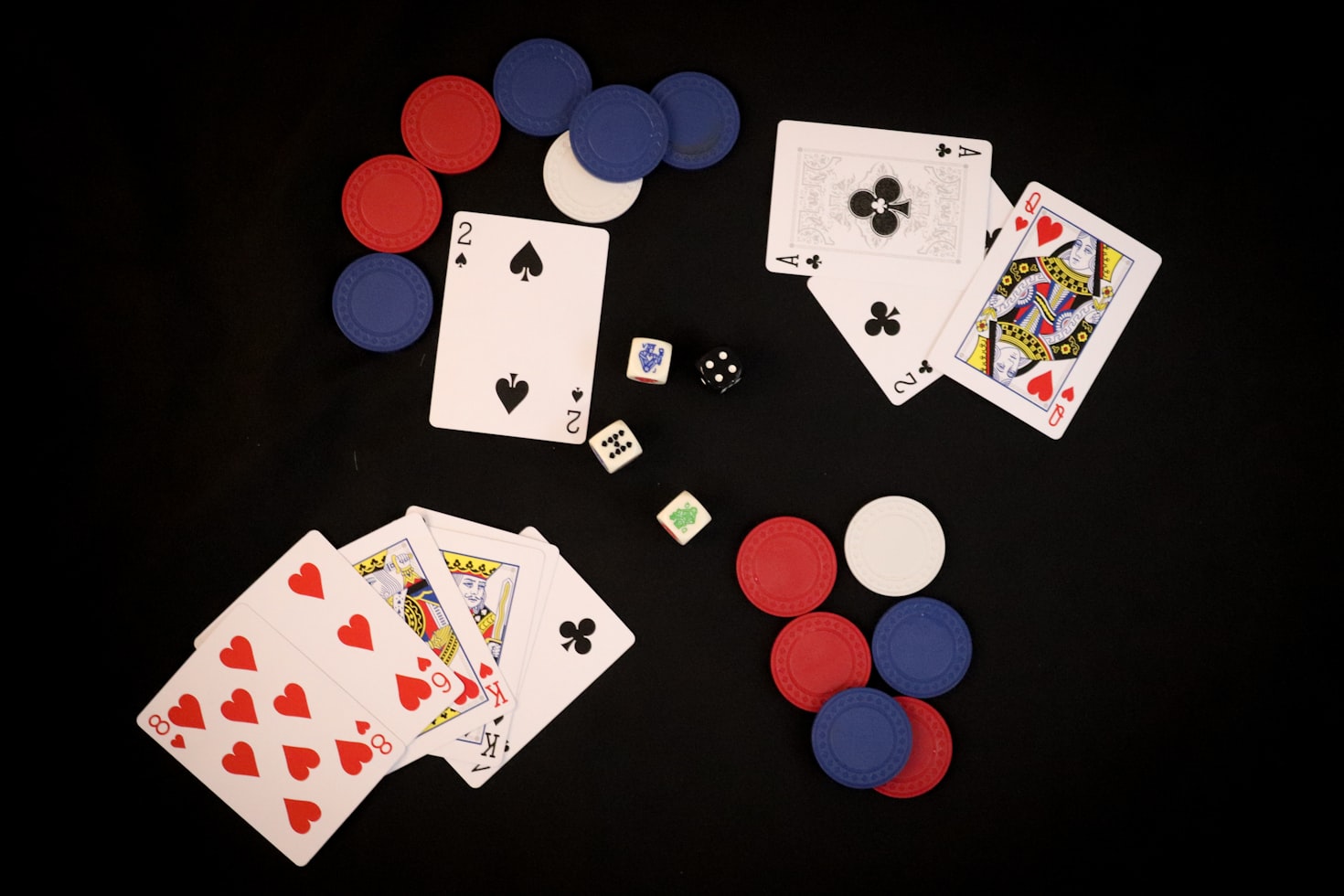
This emotional high is not solely derived from the possibility of winning but rather from the inherent risks involved. The psychological concept of “loss aversion” suggests that individuals feel the pain of losing more intensely than the joy of an equivalent gain. In high-stakes gambling, this sensation amplifies, leading players to chase losses or seek redemption, further trapping them in a cycle of risk and reward.
Social Dynamics in Gambling
The social aspect of gambling in casinos plays a crucial role in shaping players’ psychology. Many high-stakes gamblers thrive in the company of others, feeding off the collective energy and excitement within the gaming environment. The camaraderie fostered at the tables can enhance the enjoyment, making the experience not just about individual gains but also about social interaction and shared moments.
Moreover, peer influence can lead to increased betting behavior. Observing others win can bolster confidence and heighten the desire to participate, as players often underestimate the risks involved. This social reinforcement is a powerful motivator, pushing individuals to engage in high-stakes gambling where the stakes are not only financial but also social.
The Role of Environment
The casino environment plays a pivotal role in influencing gambler behavior. With their vibrant lights, alluring sounds, and carefully designed layouts, casinos create an atmosphere that encourages players to stay longer and bet more. This sensory overload can diminish a player’s ability to make rational decisions, leading them deeper into high-stakes gambling scenarios.
Additionally, the lack of natural light and the absence of clocks in casinos contribute to a warped sense of time. Gamblers often lose track of hours while immersed in the thrill of the games, making it easy to overlook losses. This environment manipulates psychological perceptions, making it more challenging for players to leave or limit their gambling activities.
The Impact of Cognitive Biases
Cognitive biases significantly shape the high-stakes gambling experience. Gamblers frequently exhibit optimism bias, believing they have a higher chance of winning than statistical probabilities suggest. This misconception can lead to repeated gambling despite previous losses, as players cling to the hope of a turnaround.
Another prevalent cognitive bias is the “gambler’s fallacy,” where individuals think that past outcomes influence future events. For example, if a player has not won for several rounds, they may believe that a win is overdue. Such faulty reasoning can perpetuate high-stakes gambling behavior, even when it contradicts the principles of probability.

Understanding Responsible Gambling and Support
While high-stakes gambling can be thrilling, it is crucial to recognize the importance of responsible gambling. Many casinos and organizations provide resources to help individuals understand their gambling habits and stay safe. Responsible gambling initiatives aim to educate players about the risks associated with high-stakes environments and encourage them to set limits on their spending.
Furthermore, support systems are vital for those affected by gambling addiction. Many websites and programs offer guidance and help individuals manage their gambling behavior, ensuring a healthier relationship with gambling. By fostering awareness and providing help, the gambling community can promote safer practices and mitigate the negative psychological impacts of high-stakes gambling.
